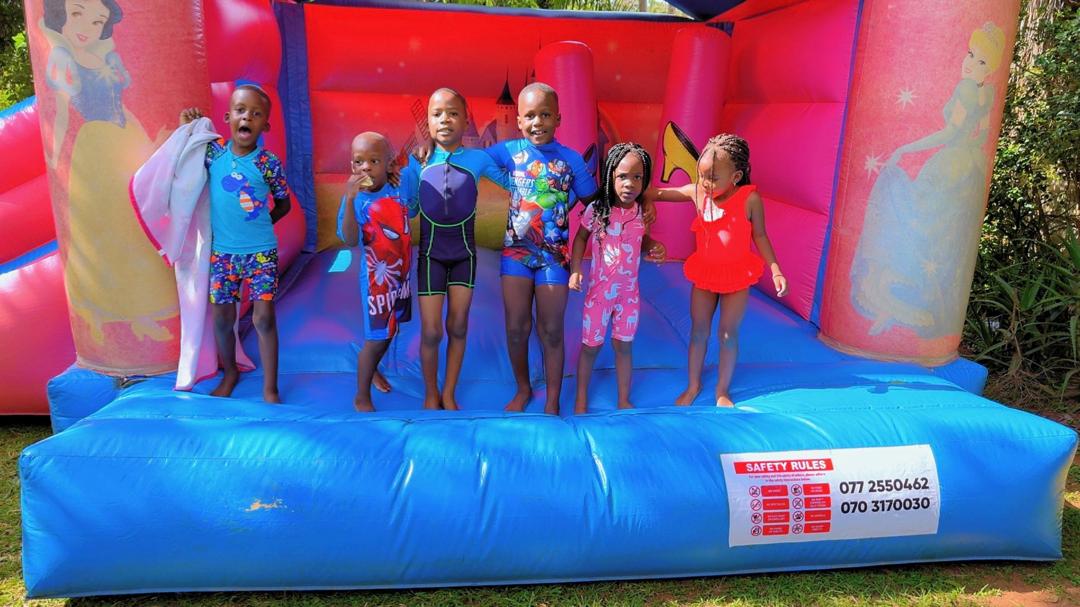
When you spend time with children, you quickly notice that their interest in tactile activities directly impacts their development. Whether it is building blocks or drawing, these small movements are essential for refining coordination. I have always believed that the best way to encourage a child is to turn routine tasks into an engaging narrative. Just like an athlete preparing for a major tournament, a child needs consistent practice to master complex movements.
For those who follow sports analytics or enjoy the thrill of pre-match predictions, the discipline required in training is quite similar to the focus needed for educational games. Developing precision is a long game, and much like how fans prepare for the upcoming global championship at this page, you should treat developmental milestones with the same level of enthusiasm and attention to detail. Tracking progress—be it a betting margin or a child’s progress with scissors—requires patience and a clear strategy.
I remember when my nephew first tried to trace complex shapes; he was frustrated, much like a punter watching a favorite team miss a penalty kick. However, once we introduced interactive puzzles, the shift was immediate. The key is to provide variety. Use clay, beads, or even simple folding paper to keep the brain stimulated. When we apply a analytical mindset to everyday parenting, we stop seeing just play and start seeing the foundation for future success. It is all about building habits that foster growth, confidence, and that specific type of sharpness required to excel in any competitive environment.